I Run Manjaro, BTW
Published: April 23, 2023 Last Modified: September 9, 2025
The Linux ecosystem presents a paradox. While generally inclusive toward newcomers, a small faction of self-proclaimed gatekeepers dismisses users who haven't memorized every system detail or used the OS since the 1970s.
This needs to stop.
My Linux Journey
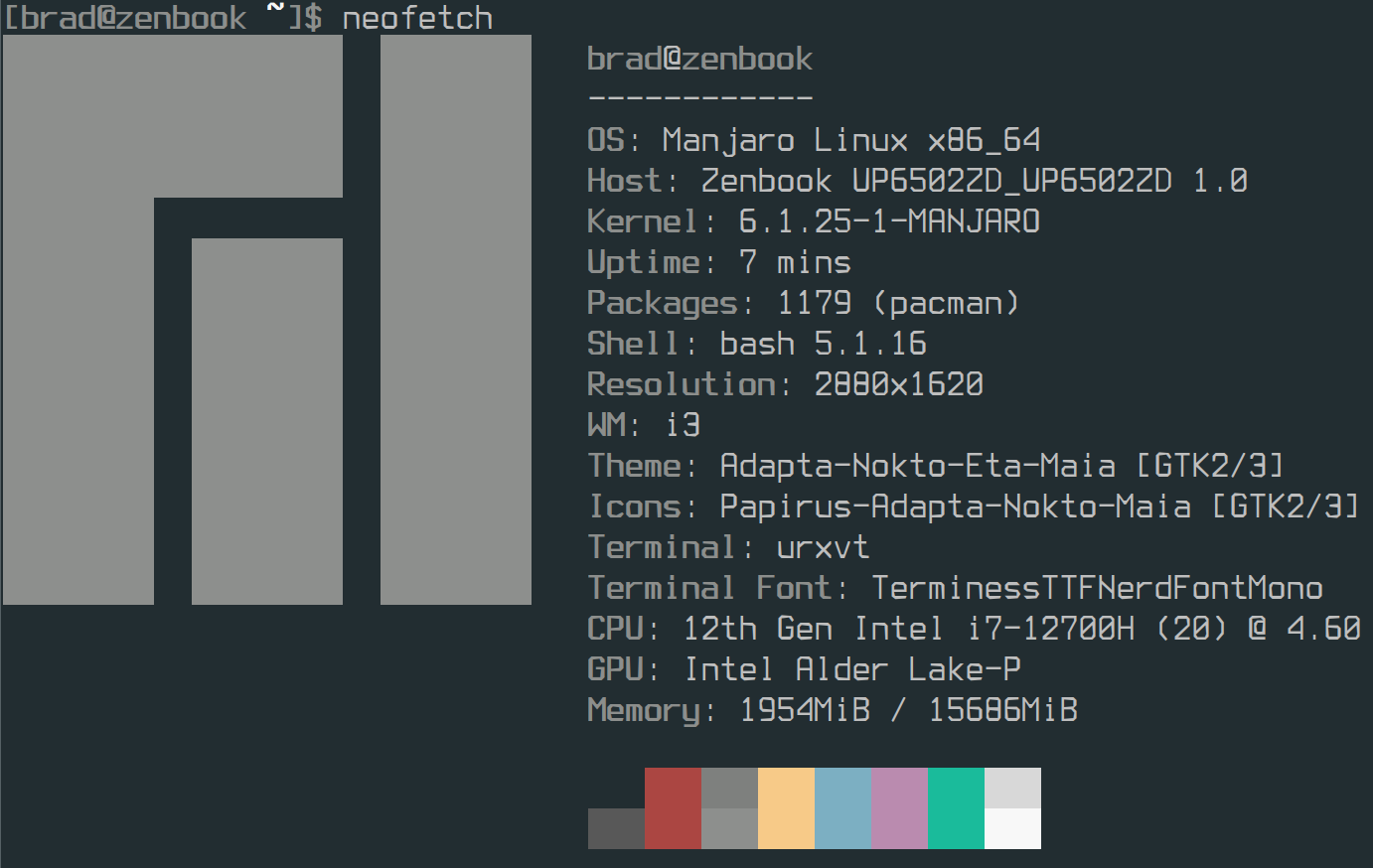
Over eight years as a daily Linux user and five years professionally, I've tested dozens of distributions and installed Linux across various hardware. My current setup runs on Manjaro with i3wm, using emacs and vim as primary editors.
Despite this experience, I estimate my knowledge covers less than 20% of the total Linux knowledge base. There's always more to learn—systemd internals, kernel compilation, advanced networking, file system optimization, and countless other topics I haven't explored deeply.
And that's okay.
The Gatekeeping Problem
Here's the essential truth: anyone running any Linux distribution qualifies as a Linux user. Power-user posturing shouldn't determine legitimacy.
I spent eight months running stock Kubuntu while teaching—choosing KDE's Windows-like interface specifically to help students transition comfortably from proprietary systems. The desktop environment's appearance proved irrelevant to my productivity. Stock configurations functioned perfectly for my needs.
The elitism surrounding distribution choice ("Arch is for real users," "Ubuntu is for newbies") creates unnecessary barriers. Every distribution serves valid use cases:
- Ubuntu/Mint: Excellent for newcomers and stable production systems
- Fedora/CentOS: Enterprise-focused with cutting-edge features
- Arch/Manjaro: Rolling release for those who want latest packages
- Debian: Rock-solid stability for servers and critical systems
None is inherently superior. They serve different needs.
Why This Matters
Open-source adoption becomes increasingly critical. With AI adoption accelerating, we need diverse populations understanding software internals and grasping AI's ethical dimensions.
We need more open-source hardware and software. We need a diverse group of intelligent people interested in how both work. Commercial interests alone shouldn't oversee AI development—the open-source community must contribute meaningfully.
But gatekeeping drives people away. When newcomers encounter condescension for:
- Using a "beginner-friendly" distribution
- Preferring GUI tools over command-line
- Not understanding advanced concepts immediately
- Asking questions covered in documentation
...we lose potential contributors who could strengthen the community.
The Path Forward
Stop gatekeeping. Welcome newcomers generously.
The Linux community strengthens when accessibility increases, not when complexity becomes a barrier. Every expert started as a beginner. Every longtime user made embarrassing mistakes early on.
When someone says "I just installed Linux," the correct response is "Welcome! What are you excited to learn?" not "Which distribution? Oh, that's basically Windows."
Understanding technology requires many voices steering the coming AI revolution responsibly. We need teachers, artists, writers, scientists, and people from countless other backgrounds engaging with open-source technology.
Practical Inclusivity
How we can make the community more welcoming:
- Answer questions patiently - The documentation might be comprehensive, but intimidating for newcomers
- Celebrate all distributions - Ubuntu, Arch, Fedora, Manjaro—all are valid choices
- Share knowledge generously - Remember when you were learning
- Acknowledge expertise gaps - None of us knows everything
- Focus on growth - Encourage learning rather than testing knowledge
Conclusion
I run Manjaro. You might run Ubuntu, Fedora, Arch, Debian, or Pop!_OS. We're all Linux users. We're all part of the same community working toward the same goals: freedom, privacy, and open-source technology.
The revolution won't be gatekept. It will be collaborative, inclusive, and strengthened by diverse perspectives.
Welcome everyone. Teach generously. Build together.